If you are thinking about selling in Trumbull, your first few days on the market can shape everything that follows. Buyers notice condition fast, and in a market where homes are moving in about 28 days and many receive strong offers, the way your home looks, feels, and reads online matters. The good news is that you do not need to guess where to start. With the right prep plan, you can focus on the updates and paperwork that make the biggest difference. Let’s dive in.
Why prep matters in Trumbull
Trumbull remains a competitive seller’s market by current online measures. Redfin reports a median sale price of $649,611 over the last three months, up 2.0% year over year, with homes averaging 28 days on market. The same report says average homes sell about 4% above list price, while hot homes can sell about 9% above list.
That kind of market does not mean you can skip preparation. It means your launch matters even more. When buyers move quickly, they often compare homes based on condition, presentation, and how easy it is to understand what they are seeing.
That point lines up with broader buyer behavior. According to the 2025 Remodeling Impact Report from NAR, 46% of buyers are less willing to compromise on the condition of a home. In simple terms, clean, well-presented homes have an advantage.
Start with paperwork first
Before you paint a wall or book photos, gather your documents. This step is easy to delay, but in Connecticut it is one of the smartest things you can do early. It helps you avoid last-minute stress and makes your sale process smoother.
Under Connecticut law, sellers of residential property with one to four dwelling units, including condominiums and cooperatives, must provide a written residential condition report before the buyer signs a binder, contract to purchase, option, or lease with a purchase option. The Connecticut Department of Consumer Protection says updated Residential Property Condition Report and Residential Foundation Condition Report forms became effective July 1, 2025.
The state report covers a wide range of topics. It asks about items such as the year built, easements, flood hazard or inland wetlands status, assessments, leased equipment, heating, plumbing, electrical, smoke and carbon monoxide detectors, water systems, drainage, rot, water damage, radon, and other material concerns.
The same statute also notes that buyers are urged to have the property inspected by a licensed home inspector. It also tells buyers to confirm with the municipal building official that permits and certificates of occupancy were issued for work done on the property. That is why it helps to gather permits, final sign-offs, and certificates before your home goes live.
Paperwork to collect before listing
- Residential Property Condition Report
- Residential Foundation Condition Report, if applicable
- Permit records for past work
- Final approvals or sign-offs
- Certificates of occupancy, if applicable
- Warranties for major systems or appliances
- Records for leased equipment
- Any available reports related to the home’s condition
If your home was built before 1978, add lead-related documents to your file. Connecticut DPH says sellers and agents must provide the required lead-based paint disclosure materials, share any known lead-based paint hazards, provide available records or reports, and attach the disclosure before the buyer is obligated under contract. Buyers also receive a 10-day opportunity to inspect unless that right is waived.
Declutter before you renovate
A lot of sellers assume they need a big remodel to compete. Usually, that is not the best first move. In many cases, decluttering and staging create a stronger return than starting expensive projects.
NAR defines staging as decluttering and styling a home so buyers can picture themselves living there. In its consumer guide, 83% of buyers’ agents said staging makes it easier for buyers to visualize the property as their future home. That is a powerful reason to simplify before you spend.
Start by removing personal items and anything that makes a room feel crowded. Pack away family photos, clear off counters, and take bulky furniture out of rooms that feel tight. Closets should look about half full so storage appears generous and organized.
Focus your decluttering room by room
Living areas
Keep seating simple and open up walking paths. Remove extra side tables, oversized recliners, and stacks of books or toys. You want the room to feel easy to move through and easy to understand in photos.
Kitchen
Clear countertops as much as possible. Leave only a few everyday items if needed. Buyers tend to notice workspace, cabinet condition, and overall cleanliness quickly in kitchens.
Bedrooms
Make the beds neatly and remove extra furniture if the room feels small. Store off-season clothing and reduce visible personal items. Calm, simple bedrooms tend to show better.
Bathrooms
Put away toiletries, cleaning products, and laundry baskets. Fresh towels and a clean vanity go a long way. Bathrooms should feel bright, sanitary, and easy to maintain.
Make the cosmetic fixes buyers notice
Once the home is decluttered, your next step is to handle visible issues. You do not have to make every upgrade. Focus on the repairs and updates that stand out right away.
According to NAR’s 2025 Remodeling Impact Report, the top projects real estate professionals recommended before selling were painting the entire home, painting one interior room, and replacing the roof if needed. The same report found that a new steel front door had 100% estimated cost recovery, and a new fiberglass front door and closet renovation also ranked highly.
That does not mean every Trumbull seller should replace a door or take on a roofing project. It means visible condition matters. If buyers see scuffed walls, worn trim, or an obvious deferred maintenance issue, they may start mentally adding up costs.
Smart pre-listing fixes
- Touch up or repaint walls with worn or bold finishes
- Repair loose handles, hinges, and latches
- Replace burned-out bulbs
- Patch small drywall flaws
- Re-caulk tubs, showers, and sinks if needed
- Fix doors that stick or do not close properly
- Address roofing concerns if they are visible or known
- Refresh the front door if it looks tired
Boost curb appeal before photos
Your exterior sets the tone before a buyer ever walks inside. It also plays a huge role in online presentation, because exterior photos are often the first image buyers see.
NAR reports that 97% of members said curb appeal is important in attracting a buyer, and 92% said they have suggested sellers improve curb appeal before listing. You do not need an elaborate landscaping project to make an impact. Small improvements can make your home look better in person and on screen.
Low-cost curb appeal ideas
- Add fresh mulch
- Trim shrubs and edge planting beds
- Sweep the walkway and front steps
- Clean up the entry area
- Make sure house numbers are easy to read
- Put away hoses, bins, and yard clutter
- Check that the front door area looks neat and welcoming
These details help signal care and maintenance. In a town like Trumbull, where owner occupancy is high and many residents stay in their homes year to year, that sense of upkeep can support buyer confidence.
Stage the spaces that matter most
Not every room needs the same level of attention. If you want to be efficient, prioritize the rooms buyers focus on most when browsing listings and attending showings.
Start with the entry, main living area, kitchen, primary bedroom, and bathrooms. These spaces tend to shape a buyer’s first impression. They also do a lot of work in photos.
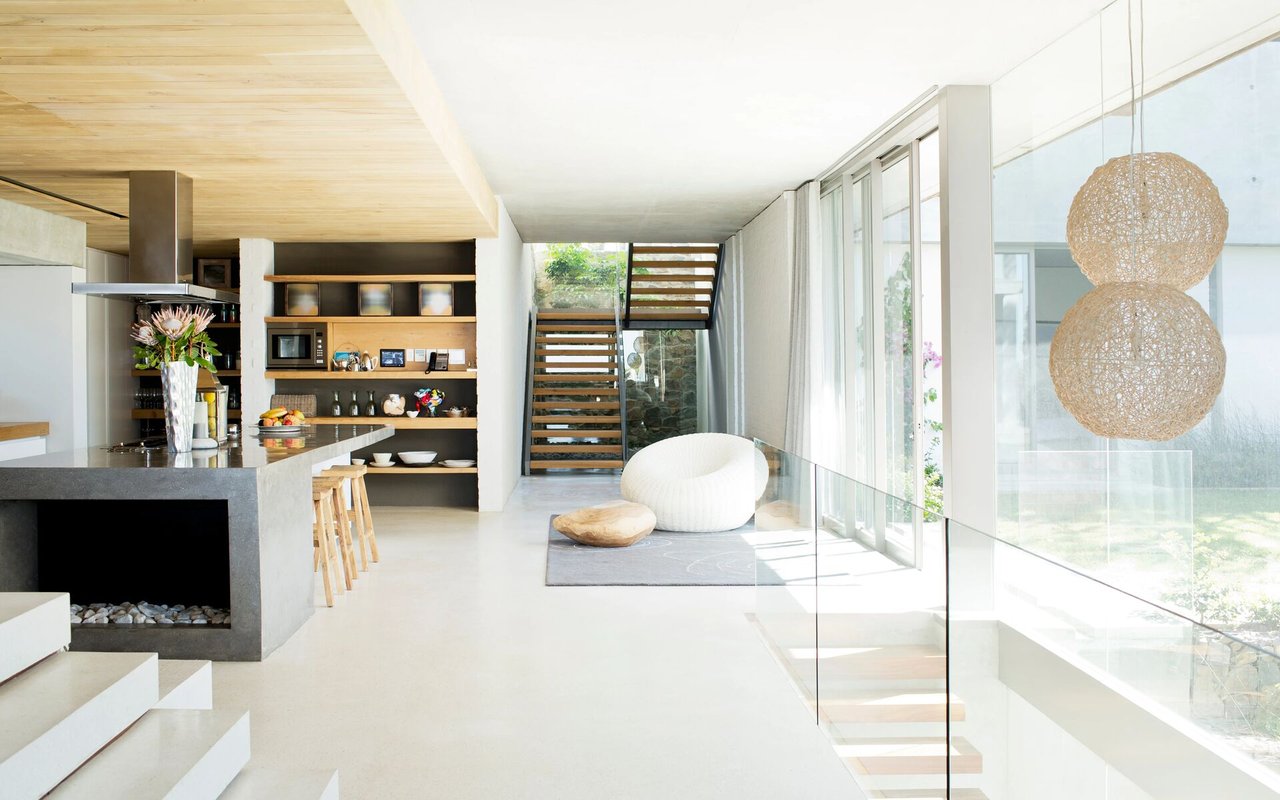
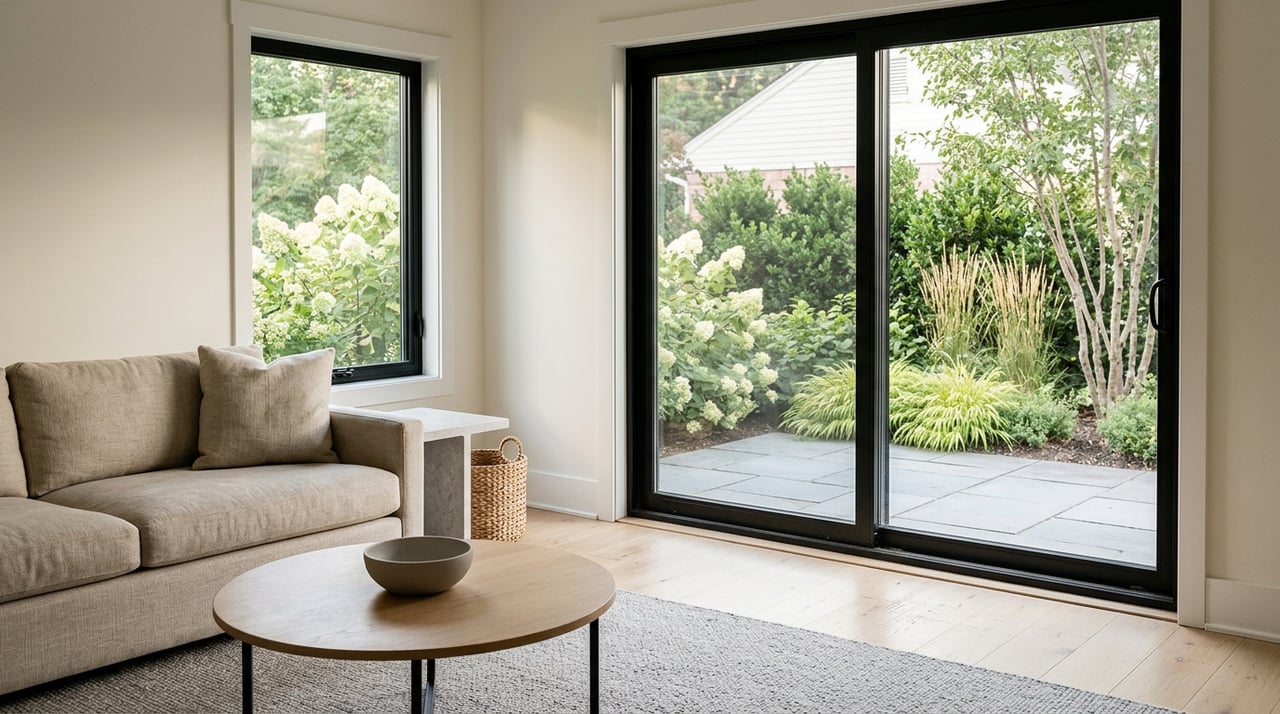
Keep staging simple and neutral. The goal is not to create a designer showroom. The goal is to make the home feel clean, functional, and easy to imagine living in.
What good staging should do
- Make each room’s purpose obvious
- Improve flow and spacing
- Highlight natural light
- Minimize distractions
- Support clean, polished listing photos
Time photos for when the home is truly ready
Do not rush photography. Once photos are online, they become the first showing for many buyers. If the home is only half-prepped, that first impression can work against you.
NAR says nearly half of interested buyers start their search online, and its listing guidance recommends treating your online presentation as seriously as an open house. It specifically recommends photos, video, virtual tours, and floorplans, along with transparent communication about known issues.
Professional photos should capture key rooms, important features, and outdoor space. NAR also notes that dusk exterior photos can improve presentation. If a buyer cannot visit right away, digital walkthroughs can also help them stay engaged.
For Trumbull sellers, this matters because the first listing window is valuable. With homes moving in about 28 days, you want your property to look strong from day one.
Build a showing plan that is easy to maintain
Preparation does not end when your listing goes live. You also need a realistic plan to keep the home clean, bright, and accessible for showings.
Think through your day-to-day routine before the first appointment request comes in. Where will shoes go? How quickly can you clear kitchen counters? What will you do with pet items, mail, or laundry? A simple system makes last-minute showings much less stressful.
Showing-ready habits that help
- Open blinds or curtains for natural light
- Keep surfaces clear
- Make beds each morning
- Store away daily-use items quickly
- Empty trash regularly
- Keep entry areas tidy
- Have a plan for leaving during showings if needed
A simple prep order to follow
If you are not sure what to tackle first, keep it straightforward. This order follows the most practical path from planning to launch.
- Gather disclosures, permits, warranties, and lead-related records if applicable.
- Declutter, depersonalize, and simplify room layouts.
- Handle visible cosmetic fixes and curb appeal cleanup.
- Stage the main living areas, kitchen, bathrooms, and entry.
- Schedule professional photography after the home is fully prepped.
- Create a showing plan that keeps the home clean, bright, and easy to access.
When you prepare in this order, you reduce stress and avoid spending money in the wrong places. You also give your home the best chance to make a strong first impression with serious buyers.
Selling your Trumbull home is not just about putting a sign in the yard. It is about launching with the right paperwork, the right presentation, and a plan that helps buyers feel confident from the start. If you want practical guidance on what to fix, what to skip, and how to position your home for today’s market, Jaskaran Singh can help you build a smart listing strategy.
FAQs
What should you do first when preparing a Trumbull home for sale?
- Start by gathering disclosures, permits, warranties, and any lead-related records before moving on to cleaning, repairs, or staging.
What disclosures are required when selling a home in Connecticut?
- For one- to four-unit residential properties, including condominiums and cooperatives, sellers must provide a written residential condition report before the buyer signs certain purchase documents, and updated state forms became effective July 1, 2025.
Does staging really help a home sell in Trumbull?
- Yes. NAR reports that 83% of buyers’ agents believe staging makes it easier for buyers to visualize a property as their future home.
Which home improvements matter most before listing in Trumbull?
- Visible, budget-conscious updates usually matter most, especially decluttering, painting, basic repairs, curb appeal cleanup, and addressing obvious maintenance concerns.
When should you schedule listing photos for a Trumbull home?
- Schedule photography only after the home is decluttered, cleaned, repaired, staged, and fully ready to show online.
What if your Connecticut home was built before 1978?
- You will need to provide the required lead-based paint disclosure materials, disclose any known hazards, share available records or reports, and follow the timing rules before the buyer is obligated under contract.