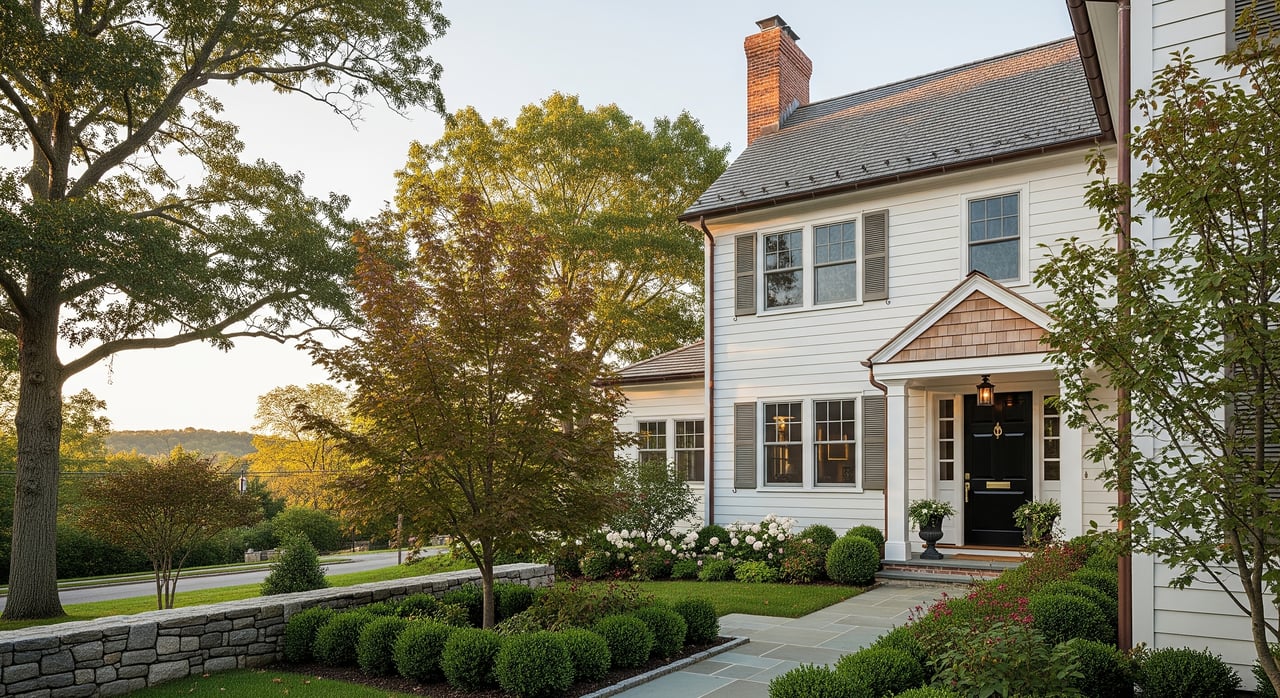
Buying your first home in Newtown can feel out of reach when down payment and closing costs start to add up. If you have stable income but limited cash on hand, you are not alone. Many first-time buyers in Fairfield County use CHFA programs to bridge the gap. In this guide, you will learn what CHFA is, who qualifies, and how the process works in Newtown from first look to closing. Let’s dive in.
CHFA basics for Newtown buyers
The Connecticut Housing Finance Authority (CHFA) partners with local lenders to offer fixed-rate mortgages, down payment assistance, and a mortgage tax credit option designed for first-time and income-qualified buyers. These programs look similar to standard loans but come with features that reduce upfront cash needs and monthly costs. You can review current programs and rules on the CHFA official site.
Most buyers look at three CHFA components:
- First mortgage: Fixed-rate options, including conventional or government-insured loans, are available through participating lenders.
- Down Payment Assistance (DPA): Often structured as a second mortgage to cover some or all of the down payment and eligible closing costs.
- Mortgage Credit Certificate (MCC): A federal tax credit tool that can lower your federal tax bill and may improve qualifying income.
CHFA also requires a CHFA-approved homebuyer education course for many assistance programs. You can verify education requirements, program availability, and lender participation on the CHFA official site.
Who qualifies: key rules to confirm
CHFA generally serves low to moderate income buyers who meet first-time buyer rules. A first-time buyer is typically someone who has not owned a principal residence in the last three years, with common exceptions for veterans and certain hardship situations. Income limits and purchase price caps vary by county and are updated periodically. Newtown is in Fairfield County, so be sure to confirm the current Fairfield County limits on the CHFA official site.
Credit, debt-to-income, and reserve requirements depend on the loan type and the lender’s CHFA guidelines. Your lender will underwrite your file and confirm that the property will be your primary residence. Eligible property types often include single-family homes, certain condos, and some 2-unit properties if you live in one unit. Always verify current property rules and condo eligibility with your lender and the CHFA official site before you make an offer.
How a CHFA loan works: step-by-step
1) Learn the basics
Start with a quick review of CHFA programs, including DPA and MCC. If your program requires education, complete a CHFA-approved homebuyer course early and save your completion certificate. You can find education details on the CHFA official site.
2) Get pre-approved with a CHFA-participating lender
Share your income, asset, and credit documents to receive a pre-approval that fits CHFA rules. Ask the lender to note whether your pre-approval assumes DPA and whether any conditions apply. Confirm timelines and document lists so your offer and closing stay on schedule.
3) Shop and write an offer in Newtown
Your agent will help you focus on CHFA-eligible homes and align the contract with loan and DPA timelines. For condos, ask your agent and lender to request condo association documents early so the building can be reviewed for eligibility. Getting ahead of association reviews can save time later.
4) Apply for CHFA assistance
Your lender submits the first mortgage through CHFA channels and requests DPA or an MCC if you qualify. DPA is usually a second mortgage with terms that can be deferred or forgivable under specific conditions. MCC paperwork is handled through your lender and CHFA.
5) Underwriting and appraisal
Your lender underwrites your file using CHFA standards and orders the appraisal. CHFA issues a reservation or commitment as needed. If you are using an FHA-insured product, your lender will follow FHA rules as outlined by HUD.
6) Closing day
You will sign the first mortgage and any DPA second-mortgage documents. The DPA second will be recorded with its specific terms. If you obtained an MCC, your lender will provide the paperwork you need for your federal tax filings.
7) After closing
Plan to live in the home as your primary residence per program rules. Keep DPA and MCC paperwork handy because occupancy, recapture, or tax filing requirements can apply. Check the CHFA official site for current guidance and ask your lender to flag any deadlines you should calendar.
How Newtown specifics affect your plan
Newtown’s housing stock includes a wide mix of single-family homes, some condos, and occasional two-unit properties. If you focus on condos for affordability, confirm the association’s eligibility early with your lender. Condo reviews can add time if documentation is incomplete.
Monthly affordability in Newtown depends on more than your principal and interest. You should budget for property taxes, homeowners insurance, HOA or condo fees, utilities, and commuting costs. Property taxes and association fees can change your monthly payment more than you expect, so include them in your pre-approval conversation.
Price bands and inventory can shift quickly. Since CHFA income and purchase limits also change, make sure the homes you target fit both your lender’s approval and CHFA’s Fairfield County caps. You can verify current limits on the CHFA official site before you tour homes.
Picking the right CHFA path
Your lender will help you choose between conventional and government-insured first mortgages within CHFA. If your down payment is under 20% on a conventional loan, private mortgage insurance (PMI) will likely apply. If you use an FHA-insured option, you will follow federal guidelines published by HUD.
Ask your lender to compare monthly payments across a CHFA conventional loan, a CHFA-backed FHA option, and scenarios with and without DPA. Also discuss whether an MCC could help you qualify or lower your federal tax liability. The best fit balances your monthly payment, upfront cash, and your long-term plans for the home.
Timeline and what to expect
Most CHFA purchases close in a timeframe similar to standard loans, often 30 to 60 days. Expect some extra steps for DPA and condo approvals, which can add time if documents are missing. The smoothest files are the ones where education is completed early, condo documents are gathered upfront, and income and asset paperwork is complete.
To stay on track:
- Finish CHFA homebuyer education as soon as you decide to use the program.
- Share full, up-to-date documents with your lender at pre-approval.
- For condos, request association financials and questionnaires immediately after your offer is accepted.
- Build a small time cushion in your contract to allow for DPA or MCC processing.
Common pitfalls to avoid
- Not checking Fairfield County CHFA income and purchase price limits before making an offer.
- Choosing a condo without confirming association eligibility with your lender.
- Underestimating Newtown property taxes, homeowners insurance, or HOA fees when budgeting.
- Delaying the CHFA homebuyer education course until late in the process.
- Using a lender without CHFA experience, which can slow down approvals.
How a local agent supports your CHFA purchase
A local, CHFA-aware agent can help you target properties that fit CHFA rules and your budget. Your agent can coordinate with a CHFA-participating lender, collect condo documents early, and discuss realistic tax and insurance estimates for Newtown neighborhoods. If you prefer to communicate in Hindi, Punjabi, or Urdu, you can request multilingual support so the process feels clear at every step.
If you are just starting, begin with two quick actions: confirm the latest Fairfield County limits on the CHFA official site, and schedule a pre-approval with a lender that regularly closes CHFA loans. With the right plan, your first home in Newtown can be within reach.
Ready to take the next step? Reach out to Jaskaran Singh for a friendly, local consultation and a clear plan tailored to your budget and timeline.
FAQs
What is CHFA and how can it help a Newtown first-time buyer?
- CHFA partners with lenders to offer fixed-rate mortgages, down payment assistance, and an optional mortgage tax credit that can reduce upfront costs and improve affordability.
Do I need to be a first-time buyer to use CHFA?
- Generally yes, defined as no ownership in a principal residence in the last three years, with common exceptions like veterans; confirm current rules on the CHFA site or with a lender.
How much down payment do CHFA loans require in Connecticut?
- Many CHFA buyers use Down Payment Assistance to cover some or all of the down payment and eligible closing costs, though minimum borrower contributions can apply and vary by program.
Are condos in Newtown eligible for CHFA financing?
- Condos can be eligible if the association meets CHFA and investor standards; your lender will review documents like budgets, reserves, and occupancy to confirm.
Does CHFA financing include PMI or mortgage insurance?
- If you use a conventional CHFA loan with less than 20% down, PMI typically applies; FHA-insured loans follow HUD mortgage insurance rules.
Can sellers contribute to my closing costs with a CHFA loan?
- Seller concessions are usually allowed within program and investor limits, which vary by loan type; ask your lender to outline the current caps for your scenario.
How does the Mortgage Credit Certificate (MCC) work with CHFA?
- An MCC can provide a federal tax credit on a portion of your mortgage interest, which may lower your federal tax liability; discuss eligibility and filing steps with your lender.
How long does a CHFA purchase in Newtown usually take?
- Timelines are similar to standard mortgages, often 30 to 60 days, with extra time possible for DPA and condo approvals if documents are delayed.